Thinking about moving from Los Angeles to Santa Clarita? You’re not alone. Many Angelenos head over the hill for more space, newer homes, strong schools, and a slower, family-friendly pace, without giving up access to LA’s jobs and culture. This guide breaks down what changes to expect, how commuting really feels, where to live (by neighborhood), and how housing, schools, and daily life stack up so you can decide if the Santa Clarita Valley is a fit for you.
Why People Move From LA to Santa Clarita
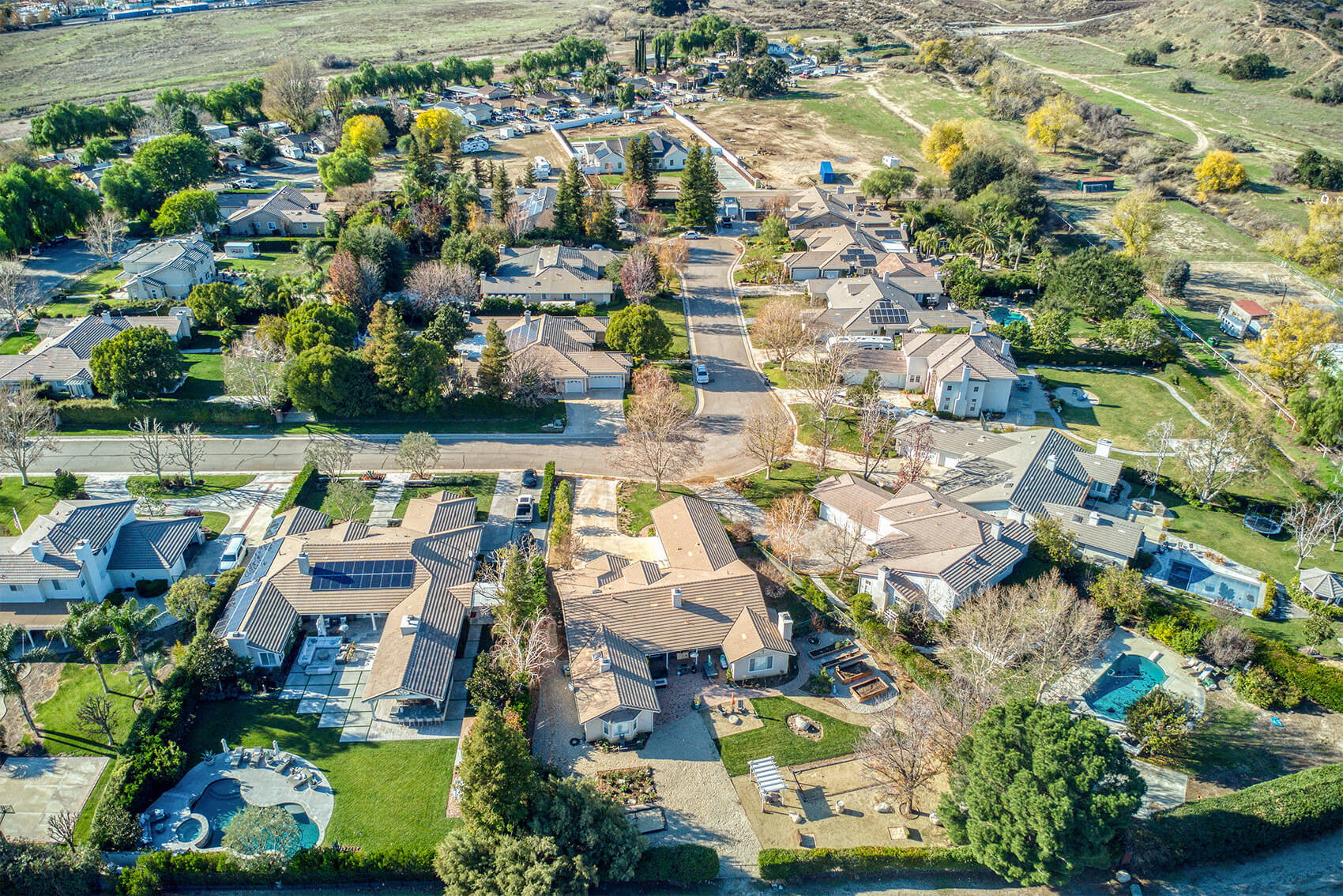
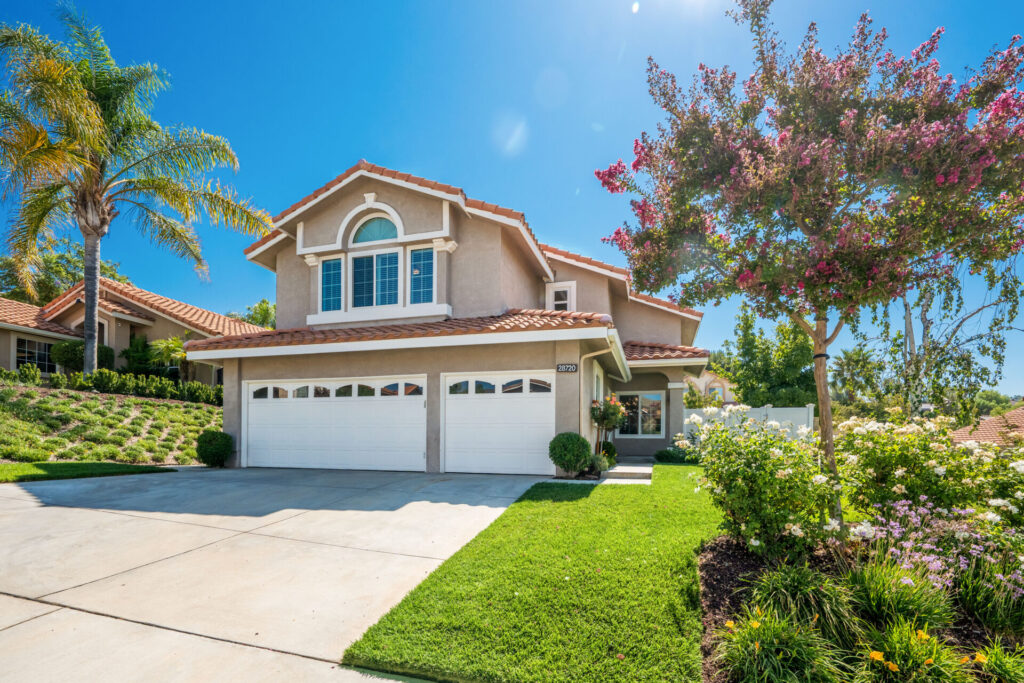
You’ll hear the same reasons on repeat: value, space, and predictability. Compared with many parts of LA, Santa Clarita generally offers more square footage, yards, garages, and newer construction for the price. Streets are clean, parks are plentiful, and the vibe skews friendly and low-key. Families appreciate highly regarded public schools and a slate of youth sports, swim programs, and community events.
Safety and upkeep matter here. The city prioritizes trails, road maintenance, and public amenities, and it shows. You also get proximity to the San Gabriel Mountains and Angeles National Forest, weekend hikes are minutes away.
And importantly, you’re still tied into LA. Downtown, Burbank, Glendale, and the Westside are reachable by freeway or train, and remote/hybrid roles make the trade-off even easier.
Lifestyle and Climate: What Changes to Expect
Expect a drier, warmer microclimate than much of the LA Basin. Summers run hotter, often 5–10°F higher than the Westside, with more triple-digit days. Winters bring cool nights, occasional frost in the valleys, and those classic Santa Ana winds. Air quality can dip during fire season, especially near canyon areas.
Daily life is suburban by design. You’ll likely drive more than in central LA, but you also gain trail networks, neighborhood parks, and family-oriented community centers. Nights are quieter. Weekends might revolve around kids’ games, hikes at Placerita Canyon or Towsley Canyon, a lap swim at the Aquatic Center, or a ride at Six Flags Magic Mountain.
If you thrive on dense, late-night city energy, Santa Clarita may feel sleepy. If you’ve wanted calmer streets, easier parking, and a routine that’s easier on your nerves, it’s a relief.
Neighborhoods Guide: Where to Live
Neighborhoods in the Santa Clarita Valley (SCV) include distinct pockets with their own personalities, schools, and commute profiles. Here’s a quick, on-the-ground tour.
Valencia
Master-planned, walkable, and polished. Valencia is known for paseos (off-street walking/bike paths), proximity to CalArts and College of the Canyons, and access to Westfield Valencia Town Center. Many homes are newer, with community pools and HOAs. It’s a favorite for those who want amenities, strong schools, and an easy lifestyle. Home prices trend higher within SCV but still often under comparable Westside LA options.
Saugus
Primarily residential with good parks and a local, neighborly feel. You’ll find single-family homes, some townhomes, and pockets of newer development. It’s a sweet spot for buyers who want space without the top-tier Valencia price tag. Driving to the I-5 or 14 can take a few extra minutes depending on where you land.
Newhall
Old Town Newhall blends historic main-street charm with modern restaurants, a Laemmle theater, and arts venues. Housing mixes older bungalows, updated single-family homes, and newer infill projects. Proximity to the Newhall Metrolink station is a plus for train commuters. Some blocks are lively and walkable: others are quiet and tucked away.
Canyon Country
East-of-the-5 living with a wide range of price points, from starter condos and townhomes to newer hillside tracts. You’ll be closer to the 14 freeway and a short drive to places like Placerita Canyon. Expect more variation street to street, great if you’re hunting for value or want a larger home for the money.
Stevenson Ranch
Technically an unincorporated pocket next to Valencia, Stevenson Ranch offers well-kept neighborhoods, highly regarded schools, and quick I-5 access for commuters heading to the Valley, Burbank, or downtown. Curb appeal is strong: many homes are late-90s to 2000s builds with larger floor plans.
Castaic
Farther north along the I-5, Castaic offers lake access (hello, paddleboarding) and typically more house for the price. Commute times stretch a bit, but the trade-off is space, mountain views, and quieter streets. It’s popular with buyers prioritizing budget and outdoor access.
Commute and Transportation
Commuting is the make-or-break factor for many people moving from Los Angeles to Santa Clarita. You’ve got options, some better than others depending on your schedule.
Freeways and Typical Drive Times
Two main arteries serve SCV: the I-5 and the SR-14. Off-peak, you can reach Burbank in about 20–30 minutes, Glendale/Pasadena in 30–45, and Downtown LA in roughly 35–50. In peak rush hour, add significant time, 60–90+ minutes to central LA isn’t unusual. Staggered hours help. So does learning the cut-throughs and timing your canyon hops.
Metrolink Antelope Valley Line
The Antelope Valley Line stops at Newhall, Santa Clarita, and Via Princessa, running to LA Union Station. Typical travel time lands around 45–60 minutes depending on the train. Parking is generally plentiful, and you can work, read, or just not be behind the wheel. If your office connects via Metro rail or the DASH from Union Station, the train can beat peak-hour driving.
Santa Clarita Transit and Park-And-Ride
Santa Clarita Transit runs local routes plus commuter express buses to hubs like Downtown LA and North Hollywood (for Metro B Line/Red Line connections). Park-and-ride lots make it relatively painless to ditch the car. If you work in Burbank/Toluca Lake/NoHo, combining express bus and Metro can be competitive with rush-hour traffic.
Remote and Reverse Commutes
Hybrid schedules have made SCV far more practical. If you’re in the office two or three days a week, those longer drives feel manageable. Reverse commutes, to Valencia’s business parks, local healthcare, or education campuses, are straightforward, and many residents work entirely in the valley.
Housing and Cost of Living
Relative to core Los Angeles neighborhoods, Santa Clarita often delivers more home for the dollar. But it’s still Southern California: prices and rents aren’t “cheap,” just more attainable.
Newer Master-Planned Communities, HOAs, and Mello-Roos
Many tracts include HOAs that fund pools, paseos, and landscaping. Newer developments may carry Mello-Roos (a special property tax assessment) to pay for infrastructure, factor it into your monthly budget. The trade-off is modern layouts, community amenities, and cleaner streetscapes. Always compare total monthly costs (mortgage + HOA + taxes including Mello-Roos) across neighborhoods.
Utilities, Insurance, and Wildfire Risk
Electricity (Southern California Edison), gas (SoCalGas), and water (SCV Water) are standard. Home insurance has risen statewide, and wildfire exposure near canyons or open space can affect premiums and availability. Look at defensible space, fire-hardening upgrades, and local risk maps, and ask your insurer for quotes before you fall in love with a property.
Schools and Family-Friendly Amenities
Santa Clarita’s school ecosystem is a major draw.
Public School Districts and Options
Elementary schools are primarily in Newhall School District, Saugus Union School District, and Sulphur Springs Union School District. Middle and high schools are part of the William S. Hart Union High School District. Many campuses earn strong marks: verify individual ratings, programs (STEM, arts, AP/IB), and boundary maps because they vary by tract. For higher ed, you’ve got College of the Canyons and CalArts in Valencia.
Parks, Trails, and Recreation
The city’s trail network connects neighborhoods to parks and schools. Favorites include Central Park, Bridgeport Park, Towsley Canyon, and Placerita Canyon Nature Center. The Santa Clarita Aquatic Center, sports complexes, and a deep bench of youth leagues keep weekends busy. If you’re outdoorsy, you’ll never run out of hill repeats.
Shopping, Dining, and Entertainment
Westfield Valencia Town Center, The Patios, and Old Town Newhall cover most daily needs, from big-box and groceries to local restaurants and craft coffee. Entertainment ranges from live theater and the Laemmle in Newhall to Six Flags Magic Mountain. Nightlife is modest but growing: for marquee shows, you’re an easy shot to LA.
Conclusion
If you’re moving from Los Angeles to Santa Clarita, you’re trading density for breathing room: newer homes, strong schools, trails for days, and a calmer daily rhythm. The flipside is hotter summers, a car-forward lifestyle, and real commute math. Tour at different times of day, ride a Metrolink run, price insurance on a few addresses, and walk the neighborhoods on foot. If the fit clicks, SCV delivers a balanced, long-game lifestyle without cutting the cord to LA.
We helps buyers navigate Santa Clarita with confidence—from strategy and financing to keys in hand. Contact Holly to explore your Santa Clarita buying options with confidence.
Key Takeaways
- Moving from Los Angeles to Santa Clarita trades dense city energy for more space, newer homes, strong schools, abundant parks, and a hotter, drier microclimate.
- If you’re moving from Los Angeles to Santa Clarita and keeping an LA job, plan your commute via I-5/SR-14 off-peak, Metrolink’s Antelope Valley Line, or Santa Clarita Transit express buses to beat rush-hour delays.
- Choose neighborhoods by lifestyle and budget: Valencia for walkable amenities, Saugus for value, Newhall for train access, Canyon Country for range and space, Stevenson Ranch for quick I-5 access, and Castaic for larger homes near the lake.
- Expect more home for your dollar but budget for HOAs and potential Mello-Roos, and compare total monthly costs across tracts including mortgage, taxes, insurance, and fees.
- Verify school boundaries and programs in Newhall, Saugus, Sulphur Springs, and William S. Hart districts, and leverage SCV’s parks, trails, Aquatic Center, and Six Flags for family-ready recreation.
- Assess risks early by checking wildfire exposure, air quality near canyons, and current insurance quotes, and consider defensible space and fire-hardening upgrades before you buy.
Frequently Asked Questions
What changes should I expect when moving from Los Angeles to Santa Clarita?
Expect more space, newer homes, quieter nights, and strong schools. The climate is hotter and drier—often 5–10°F warmer than coastal LA—with occasional Santa Ana winds and some smoke impacts during fire season. Daily life is suburban and car-forward, but you’ll gain trails, parks, and easy access to LA jobs and culture.
Which Santa Clarita neighborhoods are best for commuters and families?
Valencia offers walkable paseos, amenities, and strong schools. Stevenson Ranch has quick I-5 access. Newhall appeals to train commuters near the Metrolink station. Saugus balances space and value, while Canyon Country sits near the 14 freeway with varied prices. Castaic trades longer drives for larger homes, lake access, and quiet streets.
How long is the commute from Santa Clarita to Downtown LA, Burbank, or Pasadena?
Off-peak, plan about 20–30 minutes to Burbank, 30–45 to Glendale/Pasadena, and 35–50 to Downtown LA. In rush hour, 60–90+ minutes is common. The Antelope Valley Line (Metrolink) runs 45–60 minutes to Union Station, and express buses to NoHo connect to the Metro B Line—often competitive during peak traffic.
What should buyers know about HOAs and Mello-Roos in Santa Clarita?
Many newer tracts have HOAs funding pools, paseos, and landscaping. Some communities add Mello-Roos, a special property tax for infrastructure. When moving from Los Angeles to Santa Clarita, compare total monthly costs—mortgage, HOA dues, base property taxes, and any Mello-Roos—since amenities and assessments vary by neighborhood and tract.
When is the best time to move from Los Angeles to Santa Clarita to avoid heat and traffic?
Spring (March–May) and fall (October–November) offer milder temperatures and fewer triple-digit days. Avoid midafternoon summer moves and early fall Santa Ana wind periods. Schedule morning moves, aim for midweek to dodge I-5/SR-14 Friday surges, and confirm elevator/AC access with your movers for heat-sensitive items.
How can I test the Santa Clarita-to-LA commute before I move?
Do dry runs at your target start/finish times on both I-5 and SR-14, including known cut-throughs. Ride the Antelope Valley Line to Union Station and try an express bus to NoHo plus Metro connections. Check park-and-ride availability, first/last-mile options, and use apps for historical traffic comparisons.