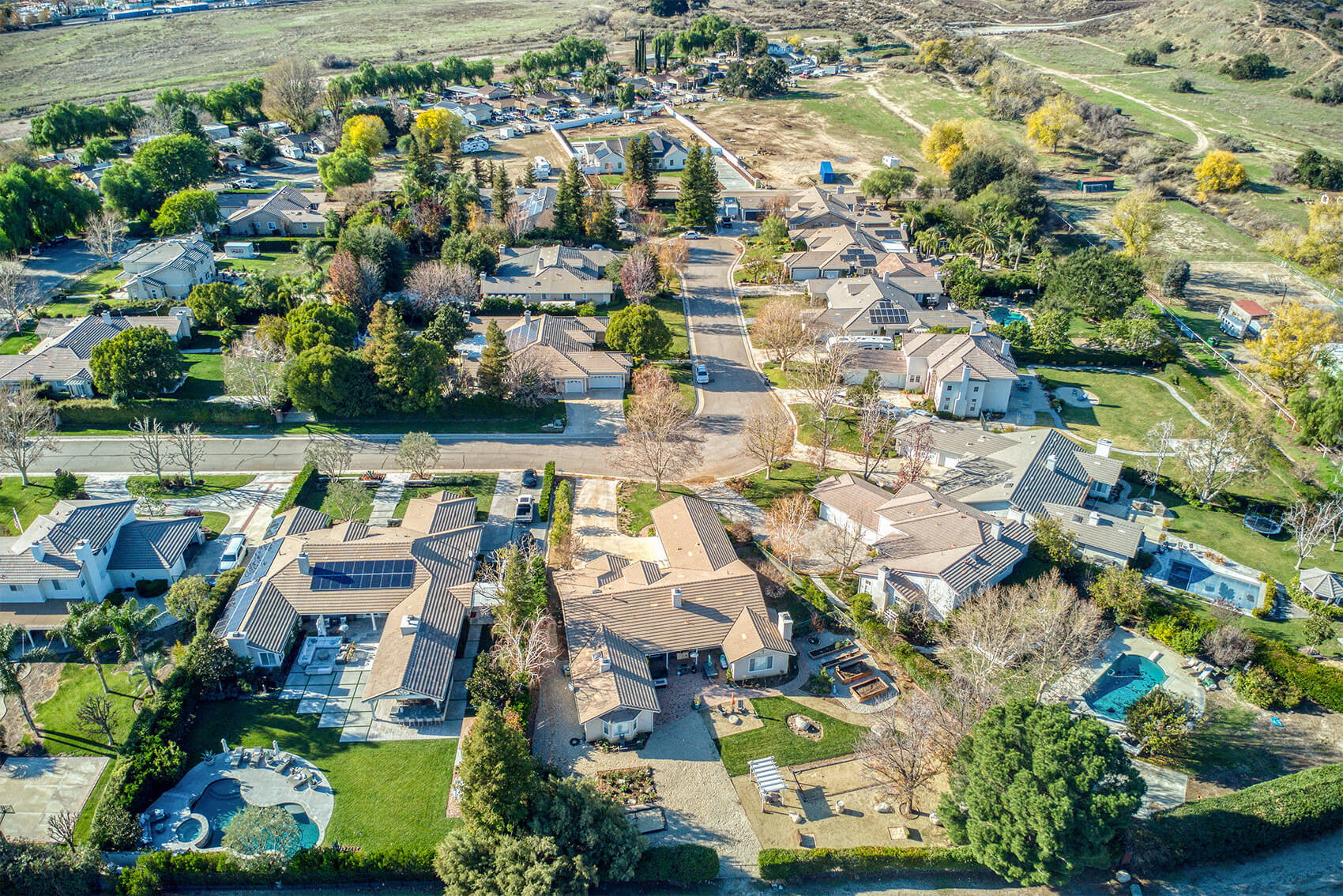
Choosing between condo vs single-family rentals in Santa Clarita can determine your investment success for years to come. Each property type attracts different tenant profiles, generates varying cash flows, and requires distinct management approaches.
This guide breaks down the key differences between condos and single-family rental investments in Santa Clarita, covering everything from initial costs to long-term appreciation potential.
For investors working with experienced local professionals, Holly Thompson provides market insights that help align investment choices with Santa Clarita’s unique rental landscape.
Santa Clarita Rental Market Overview
Santa Clarita’s rental market benefits from consistent demand driven by quality schools, family-friendly neighborhoods, and reasonable commute access to Los Angeles job centers.
The market supports both condo and single-family rentals, but demand patterns vary significantly between property types and specific neighborhoods like Valencia, Stevenson Ranch, and Canyon Country.
Current market conditions show strong tenant interest in both property categories, though single-family homes typically command higher rents while condos often provide better cash flow relative to purchase price.
Initial Investment Costs: Condo vs Single-Family Properties
Purchase Price Differences
Single-family homes in Santa Clarita generally require higher upfront investment compared to condos in similar neighborhoods.
The price gap varies by location, with Valencia condos typically starting $100,000 to $200,000 below comparable single-family home prices in the same area.
This difference affects down payment requirements, financing options, and overall investment accessibility.
Financing Considerations
Lenders often view single-family investment properties more favorably than condos, potentially offering better interest rates and loan terms.
Condo financing may require additional scrutiny of HOA finances, owner-occupancy ratios, and building insurance coverage.
Some loan programs have stricter requirements for condo investments, which can impact your financing strategy and closing timeline.
Closing Costs and Fees
Both property types involve standard closing costs, but condos may include additional fees for HOA document review and transfer fees.
Single-family homes might require more extensive property inspections, pest reports, and utility connection fees.
Budget for 2% to 4% of purchase price in closing costs regardless of property type.
Monthly Cash Flow Analysis
Rental Income Potential
Single-family rentals in Santa Clarita typically generate $2,800 to $4,500 per month, depending on size, location, and condition.
Condos generally rent for $2,200 to $3,500 monthly, with newer complexes commanding premium rates.
The rent-to-price ratio often favors condos, potentially providing better immediate cash flow relative to investment amount.
Operating Expenses
Condo investments include HOA fees ranging from $200 to $500 monthly, covering exterior maintenance, common area upkeep, and sometimes utilities like trash and water.
Single-family rentals eliminate HOA fees but transfer all maintenance responsibilities to the owner, including landscaping, exterior repairs, and system maintenance.
Property Management Considerations
Condos typically require less hands-on management since HOAs handle exterior maintenance, landscaping, and common area repairs.
Single-family properties give owners full control over maintenance decisions and costs but demand more time and oversight.
Professional property management fees range from 8% to 12% of monthly rent for both property types.
Tenant Demographics and Demand Patterns
Single-Family Home Tenants
Single-family rentals in Santa Clarita primarily attract families with children who prioritize yard space, privacy, and proximity to quality schools.
These tenants often stay longer, typically 18 to 36 months, and may accept higher rents in exchange for space and neighborhood amenities.
Family tenants generally take better care of properties but may require pet-friendly policies.
Condo Rental Demographics
Condo tenants often include young professionals, empty nesters, and small families who value low-maintenance living and community amenities.
These renters frequently prioritize location convenience, modern finishes, and access to pools, fitness centers, or walking trails. Turnover rates can be higher, with lease terms averaging 12 to 24 months.
Seasonal Demand Variations
Both property types experience peak leasing activity from March through August, coinciding with school calendar moves and favorable weather.
Single-family homes may show stronger seasonal patterns due to family preferences for summer relocations, while condos maintain steadier year-round demand from professional tenants.
Maintenance and Management Requirements
Condo Maintenance Responsibilities
Condo ownership typically limits your maintenance duties to interior components like appliances, flooring, paint, and fixtures. The HOA manages exterior repairs, roofing, common plumbing, and structural maintenance. This arrangement can reduce unexpected repair costs but limits your control over maintenance quality and timing.
Single-Family Home Maintenance
Single-family rental owners handle all maintenance aspects, from landscaping and pool care to HVAC systems and roofing repairs.
While this increases responsibility and potential costs, it provides complete control over maintenance standards, vendor selection, and repair timing. Emergency repairs can significantly impact monthly cash flow.
Long-Term Capital Improvements
Single-family properties allow owners to make value-adding improvements like kitchen updates, bathroom remodels, or yard enhancements that can increase both rental income and property value.
Condo improvements are limited to interior modifications, with exterior changes requiring HOA approval and compliance with community standards.
Appreciation Potential and Market Performance
Historical Value Trends
Single-family homes in Santa Clarita have historically shown stronger long-term appreciation compared to condos, particularly in established neighborhoods with good school access.
However, condos in desirable complexes with strong HOA management can also appreciate well, especially in areas experiencing development or infrastructure improvements.
Market Liquidity Considerations
Single-family rentals typically offer better resale liquidity since they appeal to both investors and owner-occupants. The broader buyer pool can lead to faster sales and potentially stronger offers.
Condos may have a more limited buyer audience, particularly if HOA fees are high or building conditions have declined.
Neighborhood-Specific Performance
Valencia condos often outperform those in other Santa Clarita areas due to master-planned community amenities and strong neighborhood reputation.
Single-family homes in Stevenson Ranch and newer Canyon Country developments typically show consistent appreciation due to school quality and family appeal.
HOA Impact on Condo Investments
Fee Structure and Coverage
HOA fees directly impact condo investment returns but provide predictable budgeting for certain expenses. Well-managed associations maintain property values through consistent upkeep and amenity maintenance.
Review HOA financial statements, reserve funds, and recent special assessments before purchasing any condo investment.
Rental Restrictions
Many Santa Clarita condo complexes impose rental restrictions, including minimum lease terms, maximum investor ownership percentages, or outright rental prohibitions.
These restrictions can severely impact investment viability, making thorough HOA document review essential before making an offer.
Special Assessments and Reserve Funds
Condo owners may face special assessments for major building repairs or improvements not covered by regular reserves.
Strong HOA financial management reduces this risk, while poorly managed associations can impose unexpected costs that significantly impact investment returns.
Tax Implications and Depreciation Benefits
Depreciation Schedules
Both condos and single-family rentals qualify for depreciation deductions over 27.5 years for residential rental property.
The depreciable basis excludes land value, which typically represents a larger percentage of single-family home value compared to condos, potentially affecting the total depreciation benefit.
Expense Deductions
Single-family rental owners can deduct all property-related expenses, including maintenance, repairs, property management, insurance, and property taxes. Condo owners deduct similar expenses plus HOA fees, but cannot separately deduct expenses covered by HOA assessments to avoid double-counting.
Cost Segregation Opportunities
Single-family properties may offer better cost segregation opportunities, allowing accelerated depreciation on certain property components like appliances, flooring, and fixtures.
Condos limit these opportunities to interior components under your direct ownership and control.
Risk Assessment and Investment Security
Vacancy Risk Management
Single-family rentals often experience lower vacancy rates due to longer tenant retention, but when vacant, the entire property generates no income.
Condo investments may have slightly higher turnover but can benefit from community amenities that help attract replacement tenants more quickly.
Market Cycle Resilience
Both property types face market cycle risks, but single-family homes typically show more stability during economic downturns due to their appeal to families seeking stable housing.
Condos may experience more volatility, particularly in areas with high investor concentration or oversupply conditions.
Insurance and Liability Considerations
Condo insurance covers interior components while the HOA master policy handles building structure and common areas.
Single-family rental owners need comprehensive coverage including dwelling, liability, and loss of rent protection. Umbrella policies provide additional liability protection for both property types.
Exit Strategy Planning
Resale Considerations
Single-family homes typically offer more exit strategy flexibility, appealing to investors, first-time buyers, and move-up buyers.
Condos may have a more targeted buyer pool but can still perform well in desirable locations with strong HOA management and reasonable fees.
1031 Exchange Opportunities
Both property types qualify for 1031 exchanges, allowing tax-deferred transitions to other investment properties. Single-family homes may offer more exchange options due to broader market availability, while condos require finding suitable replacement properties within the exchange timeline.
Portfolio Diversification
Many successful investors eventually own both property types to diversify risk, tenant demographics, and management requirements.
Starting with one type allows you to understand Santa Clarita’s rental market before expanding your investment portfolio across different property categories.
Conclusion
The decision between condo vs single-family rentals in Santa Clarita depends on your investment goals, available capital, and management preferences.
Single-family homes typically offer stronger appreciation potential, lower vacancy rates, and broader exit strategies, while condos can provide better immediate cash flow and reduced maintenance responsibilities.
Both property types benefit from Santa Clarita’s strong rental demand, quality schools, and stable neighborhood environment.
Success with either investment type requires understanding local market dynamics, tenant preferences, and long-term area development trends.
Ready to Start Your Santa Clarita Rental Investment Journey?
Choosing the right investment property requires local market expertise and understanding of neighborhood-specific rental patterns.
As a Zillow showcase agent with extensive Santa Clarita experience, I help investors evaluate properties, analyze cash flow potential, and develop investment strategies tailored to local market conditions.
Whether you’re considering condos or single-family rentals, having the right guidance ensures your investment aligns with both current opportunities and long-term market trends.
Frequently Asked Questions
Which property type provides better ROI in Santa Clarita?
ROI depends on your investment strategy and market timing. Condos often provide better immediate cash flow due to lower purchase prices and predictable maintenance costs, while single-family homes typically show stronger long-term appreciation. The best choice depends on your capital availability, management preferences, and investment timeline.
Are there rental restrictions I should know about in Santa Clarita condos?
Many condo complexes have rental restrictions including minimum lease terms, limits on investor ownership percentages, or approval processes for tenants. Some newer developments may prohibit rentals entirely for certain periods. Always review HOA documents and CC&Rs before purchasing any condo investment.
What are typical HOA fees for Santa Clarita condos?
HOA fees typically range from $200 to $500 monthly, depending on the complex amenities, building age, and services included. Fees covering more services like utilities, exterior maintenance, and extensive amenities will be higher but may reduce your other operating expenses.
How do Santa Clarita school districts affect rental demand?
Quality school districts significantly drive rental demand for single-family homes, as families often prioritize school access when choosing housing. While school quality less directly impacts condo rentals, properties in highly-rated school areas maintain stronger overall rental demand and can command premium rents.
Should I hire a property management company for my Santa Clarita rental?
Property management can be valuable for both condos and single-family rentals, especially for out-of-area investors or those with multiple properties. Management companies typically charge 8% to 12% of monthly rent but handle tenant screening, rent collection, maintenance coordination, and legal compliance, potentially saving time and reducing vacancy periods.
What financing options work best for Santa Clarita rental properties?
Investment property financing typically requires 20% to 25% down payments with higher interest rates than owner-occupied properties.
Single-family homes often qualify for better loan terms, while condos may face additional lender requirements regarding HOA finances and building condition.
If you need help understanding financing options and connecting with investment-friendly lenders, contact Holly for local lending resources and investment guidance.