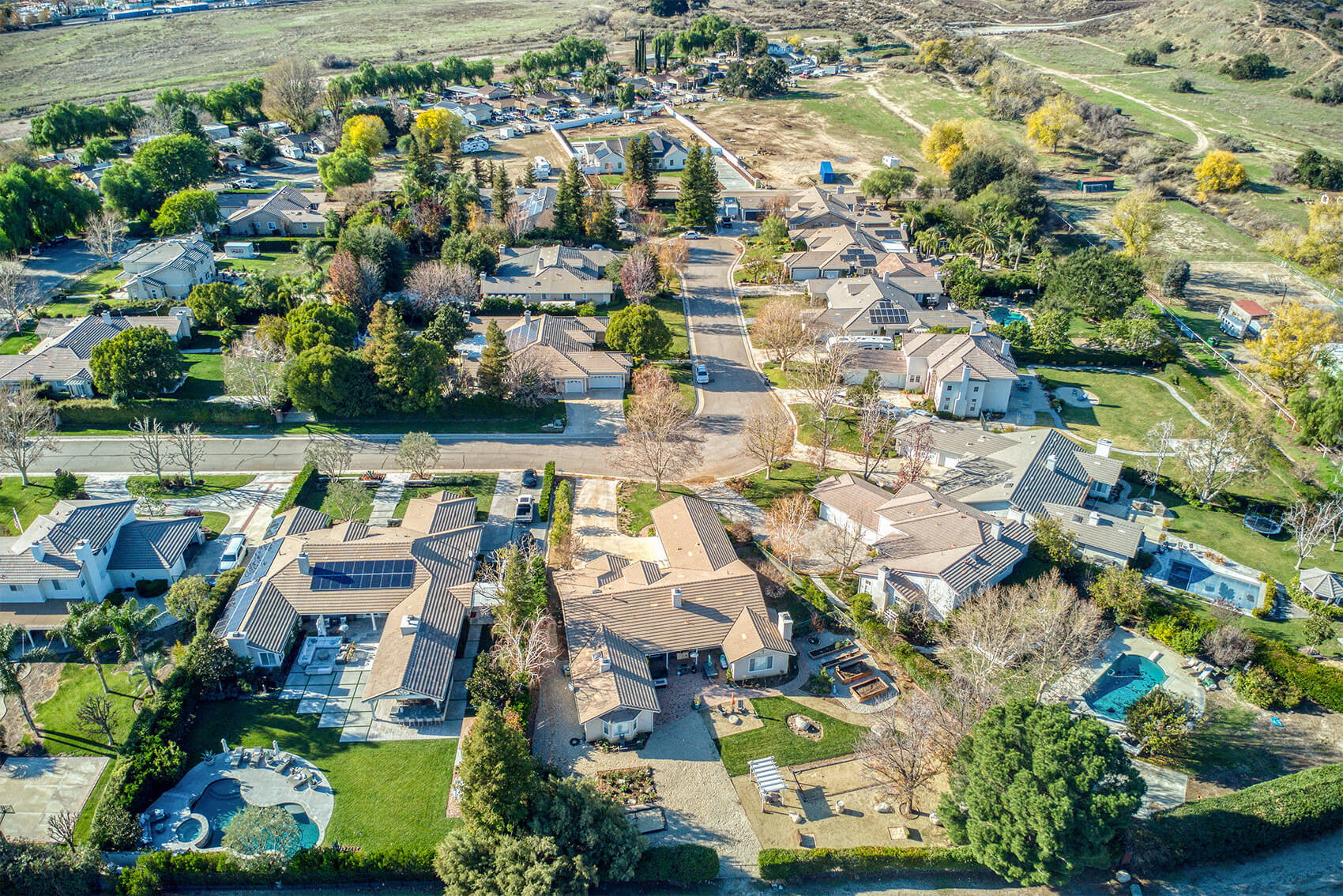

If you’re scanning a Canyon Country Neighborhoods Map and trying to match it to real-life streets, schools, and price points, you’re in the right place. Canyon Country (in the city of Santa Clarita) stretches from the valley floor along Soledad Canyon Road up into foothills and semi-rural pockets, so what you see on the map changes fast on the ground. Here’s how to read the area like a local, from entry-level condos to move-up homes with views, and how to choose the right pocket for your lifestyle and budget.
Getting Oriented: Canyon Country At A Glance And Map Basics
Boundaries, Terrain, And Microclimates
Canyon Country sits east of Valencia and Saugus, centered along Soledad Canyon Road and the SR‑14. On a Canyon Country neighborhoods map, picture three layers:
- Valley floor and corridor: Soledad Canyon Rd, Sierra Hwy, Via Princessa, flatter, denser, and close to shops and transit.
- Foothill tracts: north of Soledad (Shadow Pines/Whites Canyon area) and south toward Golden Valley, more elevation, cul-de-sacs, wider views.
- Semi-rural/estate zones: Sand Canyon and areas tucked against the Angeles National Forest, larger lots, equestrian-friendly, and a different pace.
Microclimates matter. The valley floor runs a bit warmer and less breezy. Hill neighborhoods catch more afternoon winds but cool faster at night. In late fall, Santa Ana conditions can kick up: wind exposure varies block by block with ridgelines.
Using Layers: Schools, Parks, And Transit
Make your map work harder with layers:
- Schools: Elementary schools are largely in the Sulphur Springs Union School District: high schools feed into the William S. Hart District (Canyon High, Golden Valley High, among others). Boundaries do change, verify by address.
- Parks and trails: Discovery Park, Canyon Country Community Center, Fair Oaks Park, and trailheads off Sand Canyon for hiking and equestrian use. The Santa Clara River Trail parallels Soledad for biking.
- Transit: SR‑14 on/off-ramps at Sand Canyon, Via Princessa, and Soledad/Sierra. Two Metrolink Antelope Valley Line options nearby, the Via Princessa Station and the Vista Canyon Station (newer), plus Santa Clarita Transit bus routes along Soledad and Sierra Hwy.
Reading Elevation, Slopes, And Fire Zones
Toggle terrain on any Canyon Country neighborhoods map and watch how slopes contour streets. Why it matters:
- Elevation = views (and sometimes stairs). Steeper parcels can mean terraced yards: flatter lots offer more usable space.
- Fire zones: Foothill and Sand Canyon pockets fall into Very High Fire Hazard Severity Zones. Expect defensible space requirements, brush clearance, possible higher insurance, and occasional red-flag parking restrictions.
- Water flow: On hillside streets, look for well-placed drains and check disclosures for past runoff or erosion controls.
Entry-Level Options: Condos, Townhomes, And Starter Homes
Budget-Friendly Condos And Townhomes
If you’re entering the market, the American Beauty–branded communities are your frequent first stop. Look for:
- American Beauty/Tres Robles condos along Soledad, efficient floor plans, patios or small balconies, and community pools.
- Rainbow Glen area townhomes near Sierra Hwy, often with direct-access garages and modest HOAs.
- Canyon Village and similar complexes, walkable to shopping and transit, a plus if you commute.
Condos keep HOA dues in exchange for exterior maintenance and amenities. Ask about special assessments, upcoming capital projects, and any rental caps if you’re weighing house-hacking.
Starter Single-Family Tracts
Want a yard but need to control costs? Older single-family neighborhoods offer approachable prices and no shared walls. Examples you’ll see on searches:
- North Oaks, Skyblue, Pinetree, and parts of Shadow Pines, 1960s–1980s homes with single-story options and straightforward lots.
- American Beauty Classics (not condos, these are SFR tracts) sprinkled north of Soledad, popular for value and proximity to schools.
These streets trade shiny finishes for solid bones. Many buyers do light cosmetic updates over time, flooring, kitchens, windows, while benefiting from lower property taxes than some newer tracts with special assessments.
Older Versus Newer Stock: What To Expect
- Older homes: Larger usable yards, mature trees, and fewer HOA rules. You’ll want to budget for systems (roof, HVAC, sewer cleanouts) and verify any unpermitted work.
- Newer condos/townhomes: Contemporary layouts, attached garages, energy-efficient features. In return, you’ll likely accept higher HOAs, smaller private outdoor spaces, and possibly Mello‑Roos on some newer phases.
Move-Up Options: Larger Lots, Newer Builds, And Amenities
Newer Master-Planned Communities
If your Canyon Country neighborhoods map skews newer, zero in on:
- Fair Oaks Ranch: Family-friendly streets, community parks, and quick SR‑14 access. Many homes built mid‑2000s onward.
- Skyline Ranch/Aliento: Hilltop settings with contemporary architecture, trails, and club-style amenities: many homes post‑2016.
- Vista Canyon: A mixed-use plan with town center vibes, a Metrolink station, and brand-new builds.
These areas emphasize planned parks, paseos, and connected trail systems, which helps day-to-day livability and long-term appeal.
Larger Floor Plans, Yards, And Views
Move-up buyers target 4–5 bedrooms, open great rooms, and flexible lofts for WFH. On the map, elevation often equals vistas:
- Ridge-line streets in Skyline and Aliento capture mountain and city-light views.
- Fair Oaks pockets offer wider lots than you’d expect, with space for play sets or outdoor kitchens.
- Sand Canyon stands apart: semi-rural estates, horse trails, and custom homes on expansive parcels, privacy plus room for ADUs or workshops (subject to zoning).
HOA Amenities And Mello-Roos Considerations
Master plans deliver pools, clubhouses, and pocket parks. Costs to watch:
- HOA dues: Pay for common-area upkeep, security gates, and amenity maintenance. Compare dues against how often you’ll use facilities.
- Mello‑Roos/CFD: Common in newer tracts, shown as a line item on tax bills. Ask for the exact annual amount and expiration schedule: it changes your monthly outlay and affordability math.
Commute, Schools, And Lifestyle Considerations
Commute Corridors And Traffic Patterns
SR‑14 is your spine. From most Canyon Country neighborhoods, you’ll funnel to on-ramps at Sand Canyon, Via Princessa, or Soledad/Sierra. Morning peaks compress around 7–9 a.m.: evenings back up at the same interchanges. Surface alternatives:
- Soledad Canyon Rd: the east–west workhorse with synchronized lights that help, until they don’t.
- Sierra Hwy: a useful parallel for local trips.
- Metrolink: Via Princessa or Vista Canyon stations connect you south toward the Valley and DTLA.
Pro tip: Tour your shortlist during rush hour and late evening. Some streets pick up freeway hum or train horns more than others.
School Zones And Enrollment Nuances
- Elementary: Primarily Sulphur Springs Union SD: check each address. Some pockets feed to newer campuses near Fair Oaks/Golden Valley.
- Junior high/high: William S. Hart UHSD, with zoning that can send you to Canyon High, Golden Valley High, or others depending on the tract.
Verify attendance areas with districts: boundaries can shift after new construction. Also note lottery or application windows for programs (STEM, IB, academies) if that’s part of your plan.
Parks, Trails, And Local Conveniences
You won’t lack green space: Discovery Park, Fair Oaks Park, Todd Longshore Park (for big views), and trail networks linking neighborhoods to the Santa Clara River corridor. Daily needs cluster along Soledad, groceries, gyms, coffee, and the Canyon Country Community Center hosts events, classes, and weekly farmers markets. Sand Canyon leans outdoor-forward with golf, hiking, and equestrian access.
Pricing Bands, Home Types, And Market Snapshot
Typical Price Ranges By Area
Exact numbers move with the market, but recent patterns in Canyon Country look roughly like this:
- Entry condos: mid–$400s to low–$500s depending on size, updates, and complex.
- Townhomes: mid–$500s to high–$600s: larger, newer units can push into the $700s.
- Starter single-family: roughly $700k to $900k for 3–4 beds in older tracts.
- Newer move-up: high–$900s into the $1.2–$1.4M range in Fair Oaks, Skyline, Aliento, and Vista Canyon depending on lot and view.
- Sand Canyon/custom estates: commonly $1.5M to $3M+, driven by acreage, equestrian facilities, and upgrades.
Always price in Mello‑Roos and HOA dues where applicable, your monthly payment lives there, not just in the purchase price.
Home Type Mix And Lot Characteristics
- Condos/townhomes: Higher density near Soledad and Sierra Hwy: expect carport or garage mixes, small patios, and shared amenities.
- Older SFR tracts: Modest footprints with usable front/back yards, room for sheds or small ADUs, and mature landscaping.
- Newer SFRs: Open-concept interiors, upstairs lofts, and low-maintenance yards: view lots and cul-de-sacs command premiums.
- Estates: Gated driveways, RV parking, stables or workshops, and a semi-rural feel minutes from city conveniences.
Competition, Days On Market, And Seasonality
Canyon Country moves with the broader Santa Clarita cycle:
- Spring: Most competitive, more listings, more buyers, and shorter days on market.
- Summer: Still active: families time moves with school calendars.
- Fall/winter: Fewer listings: motivated sellers and room for negotiation, but limited selection.
Attractive, well-priced homes can see multiple offers in the first week, especially under major conforming loan limits. Homes with location or condition quirks take longer, use that to negotiate credits or repairs.
How To Choose The Right Neighborhood
Align Budget, Needs, And Trade-Offs
Start with your monthly comfort number, then layer in non-mortgage costs.
- If you want the lowest payment: target older SFR tracts with no Mello‑Roos and modest HOAs (or none).
- If you crave turnkey and amenities: newer master plans win, but budget for HOA + CFD.
- If space and privacy top the list: explore Sand Canyon, and check well/septic or utility details where relevant.
Decide on your top two must-haves (school path, commute time, yard size, or view). Let everything else flex.
Touring Strategy And Timing
- Map by corridor: Do a Soledad day (condos/townhomes), a hill day (Skyline/Aliento/Fair Oaks), then a Sand Canyon day.
- Visit twice: once at commute peak, once late night. Listen for freeway hum, wind exposure, and neighborhood activity.
- Walk the block: Check street parking, slope, and how sun hits yards. A north-facing backyard can feel cooler than you expect.
- Bring a repair mindset: Older homes with great lots often beat newer builds on long-term enjoyment, if systems check out.
Resale Potential And Long-Term Value
Resale comes down to three things:
- Schools and commute: Stable zoning and easy freeway access remain evergreen drivers.
- Lot utility: Usable yards, view premiums, and space for an office or ADU widen your buyer pool.
- Cost structure: Reasonable HOAs and predictable Mello‑Roos timelines matter. Buyers do the math, make sure it pencils.
If you’re torn between two areas, pick the one with the better lot and lighter location compromises. You can always update kitchens: you can’t move a freeway.
Conclusion
A Canyon Country neighborhoods map tells a story, valley convenience, hillside views, and semi-rural breathing room, all inside the same ZIP code mosaic. If you’re entry-level, the condo and older-SFR pockets keep you close to transit and parks. If you’re moving up, master-planned communities and Sand Canyon open the door to space, amenities, and scenery.
Read the terrain, account for HOAs and Mello‑Roos, tour at different times, and line up your must-haves. Do that, and the right street in Canyon Country won’t just look good on a map, it’ll fit your life day-to-day.
Contact Holly to get local insight, neighborhood guidance, and a clear buying plan for Canyon Country.
Key Takeaways
- Read the Canyon Country Neighborhoods Map in three layers—valley floor, foothills, and semi‑rural Sand Canyon—because elevation, wind, and fire zones directly affect views, comfort, and insurance.
- Use map layers for schools, parks, and transit, but verify Sulphur Springs and Hart district boundaries by address and test your SR‑14 and Metrolink commute at peak hours.
- For entry-level buyers, target American Beauty/Tres Robles, Rainbow Glen, and older SFR tracts like North Oaks or Pinetree, and factor HOA dues, special assessments, and any Mello‑Roos into your monthly budget.
- Move-up options cluster in Fair Oaks Ranch, Skyline/Aliento, and Vista Canyon for newer builds, amenities, and views, while Sand Canyon offers estate lots with room for ADUs—balance HOA/CFD costs against lifestyle gains.
- Price bands run from mid‑$400s condos to $1.5M–$3M+ estates, so prioritize lot utility, schools/commute, and noise exposure on your touring days to protect resale value and fit your life beyond the map.
Frequently Asked Questions
How do I read a Canyon Country neighborhoods map to compare entry-level vs. move-up options?
Layer your Canyon Country neighborhoods map with schools, parks, transit, and terrain. Soledad corridor shows denser condo and townhome pockets; foothills (Skyline/Aliento/Fair Oaks) offer newer move-up homes with views; Sand Canyon is semi-rural estates. Check microclimates, slopes, and fire zones to match lifestyle, commute, and budget.
What are typical price ranges from entry-level to move-up homes in Canyon Country?
Recent patterns: entry condos mid-$400s to low-$500s; townhomes mid-$500s to high-$600s (newer can reach $700s); starter single-family about $700k–$900k; newer move-up high-$900s to $1.2–$1.4M; Sand Canyon/custom estates $1.5M–$3M+. Always factor HOA dues and any Mello-Roos.
How do HOAs and Mello-Roos impact affordability when choosing between entry-level and move-up options?
HOA dues cover amenities and common areas, adding to monthly costs—common in condos and master plans. Mello-Roos/CFDs (frequent in newer tracts) appear on tax bills and can materially change your payment. Request exact amounts and expiration dates before comparing neighborhoods or approval scenarios.
What’s the best way to compare commute and schools using a Canyon Country neighborhoods map?
Map SR-14 access points (Sand Canyon, Via Princessa, Soledad/Sierra) and test-drive at rush hour. Overlay Sulphur Springs Union (elementary) and William S. Hart UHSD (high schools like Canyon and Golden Valley). Verify boundaries by address—they can shift—and note Metrolink options at Via Princessa and Vista Canyon.
How does wildfire risk affect home insurance in Canyon Country’s foothill and Sand Canyon areas?
Parts of the foothills and Sand Canyon sit in Very High Fire Hazard Severity Zones. Expect defensible-space rules and potentially higher premiums or fewer carrier options. Some buyers use the California FAIR Plan paired with supplemental coverage. Get insurance quotes by address early in your purchase timeline.